
Through an interactive workshop on the SEPA system, high school students in Pljevlja had the opportunity to learn what the European payments area looks like in practice and what concrete benefits it brings to the citizens and economy of Montenegro.
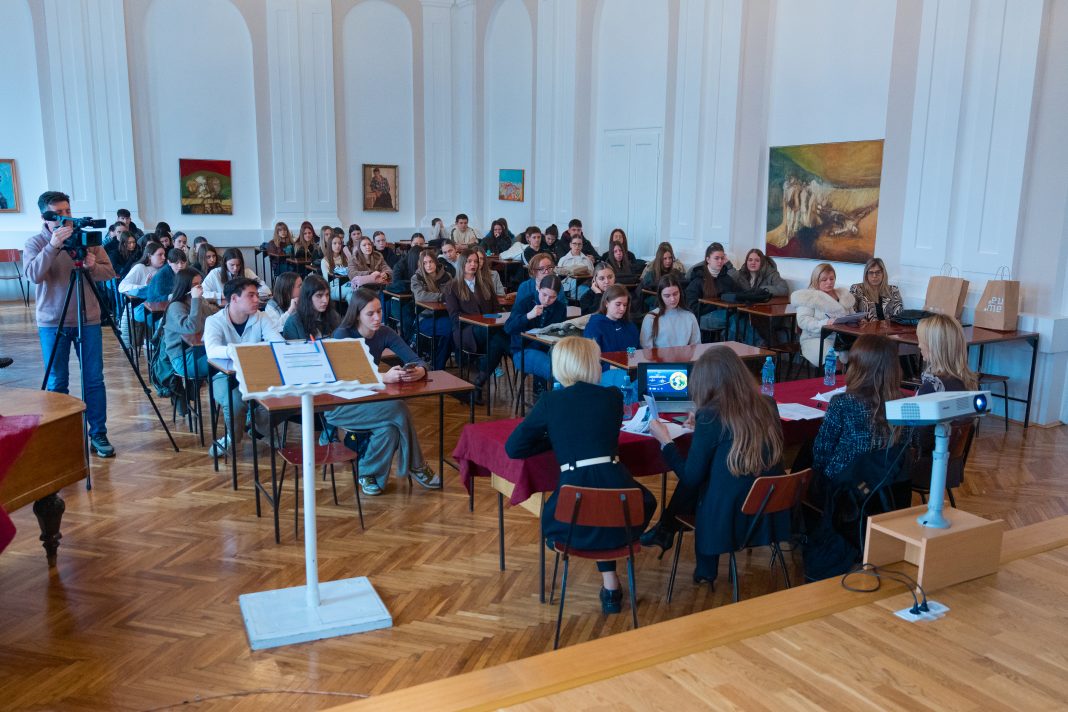
The workshop “Europe Without Borders in Payments: Discover the Advantages of the SEPA System” was held at the “Tanasije Pejatović” Gymnasium in Pljevlja, organized by the Ministry of European Affairs and the Center for Finance, in cooperation with this educational institution and the Secondary Vocational School “Pljevlja”, within the “EU4ME” project funded by the European Union. The aim of the workshop is a better understanding of the benefits that the accession process and future membership in the European Union bring to citizens, with a special focus on the development of financial literacy and practical knowledge of young people.
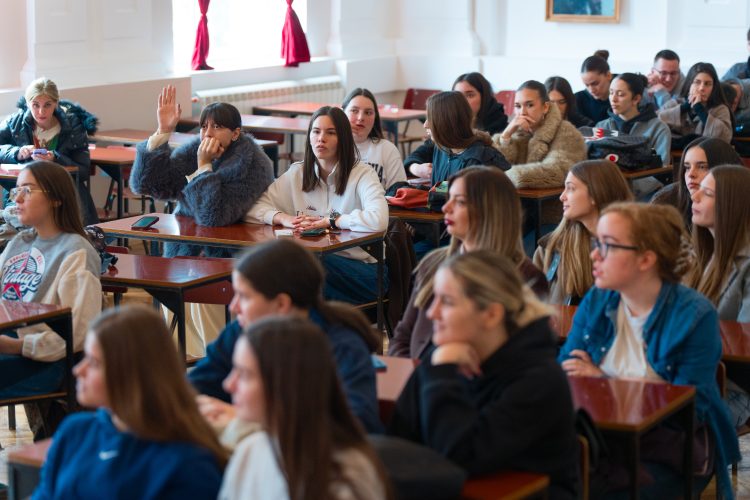
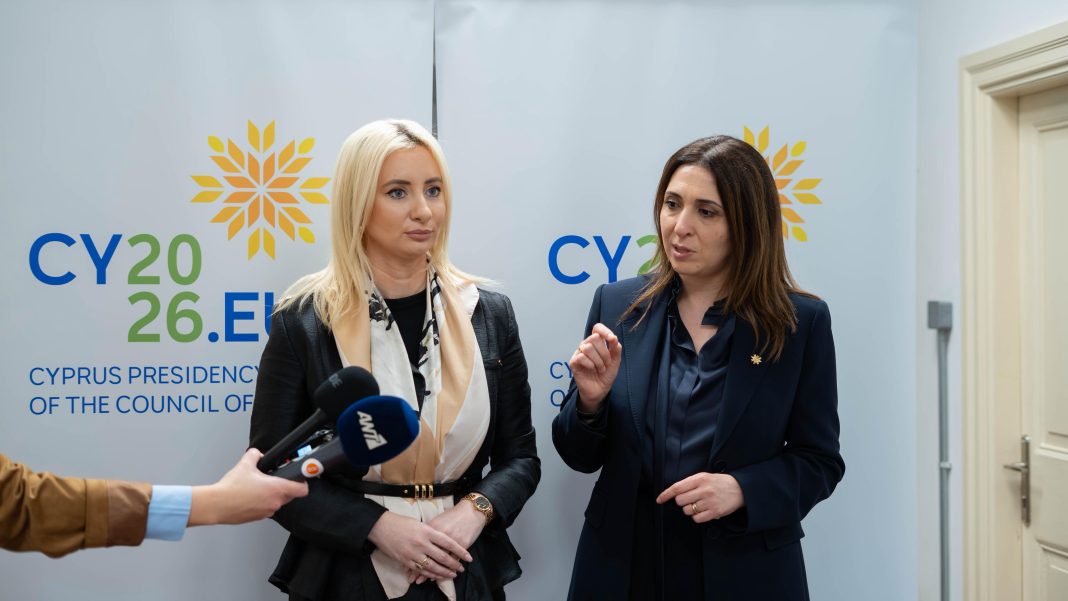
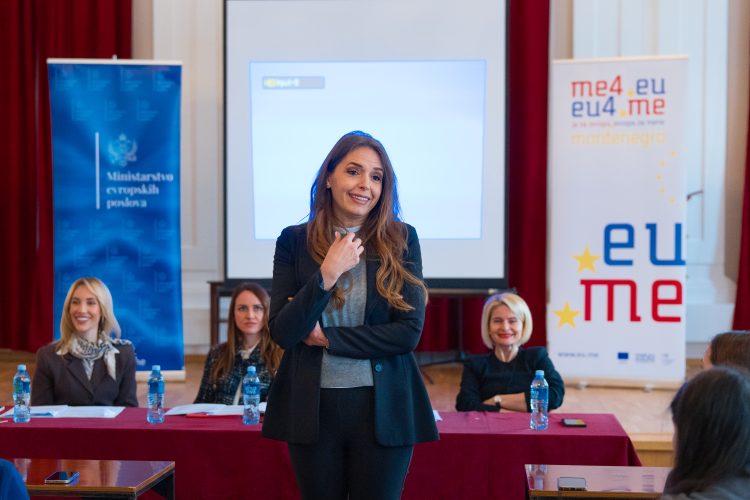
The event was opened by the State Secretary at the Ministry of European Affairs, MSc Bojana Bošković, and Prof. Dr. Ivana Katnić from the Center for Finance. Bošković presented to the students what Montenegro’s negotiation process with the European Union looks like, how the administration works on meeting benchmarks and preparing for the closing of negotiation chapters, as well as how important expertise and knowledge are in that process.
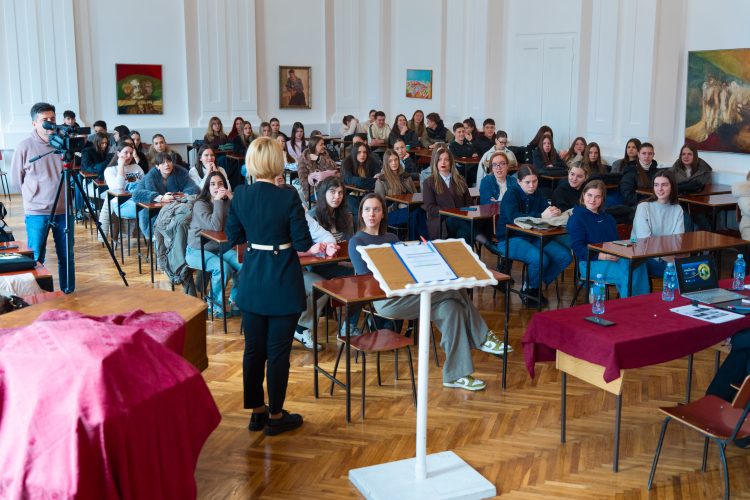
“Your opportunities are also in the European Union, when we enter the European Union, but your opportunities are also in state companies and organizations because we will need qualified staff who will be able to implement the rules of the European Union. So do not think about leaving because there will be no jobs, there will be jobs, there will just have to be enough people who know how to do that work. The European Union is proof that knowledge pays off,” Bošković said.
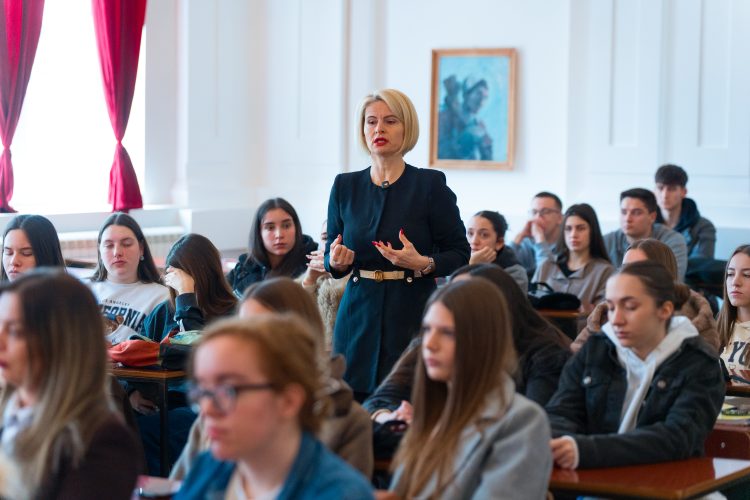
During the continuation of the workshop, the students were introduced to the role of the Central Bank of Montenegro in the process of joining the SEPA area, as well as the importance this step has for the country’s financial system and its integration into the European payments market.
“Montenegro’s entry into the SEPA system is a historic step in financial terms for Montenegro and integration into the European system, as well as confirmation that our financial system operates in accordance with the highest European standards. In an institutional sense, this means that we have accepted the rules of the European Union, which particularly leads to strengthening trust and stability in the business sector, as well as being recognized as an equal partner on the international market,” said Jela Rakočević from the CBCG.
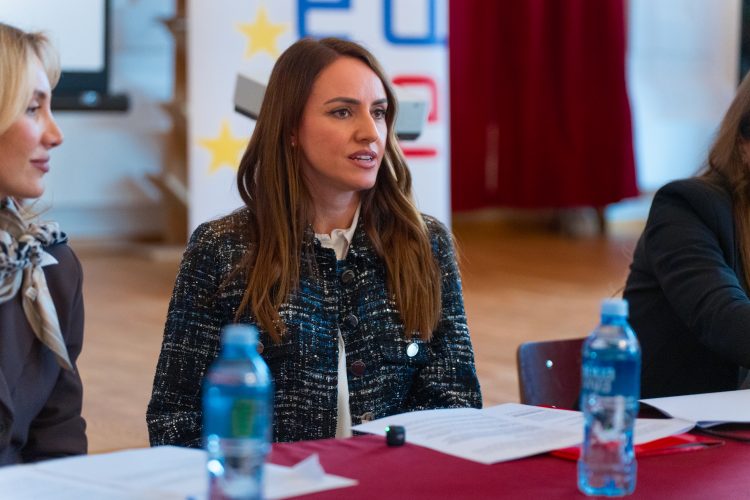
How SEPA works in practice and what the difference is compared to previous models of international transfers was explained to the students through a concrete example by Prof. Dr. Ivana Katnić.
“In the past, the bank used, and still uses, the SWIFT system, but due to the large number of intermediaries in money transfers, it charged high fees, so the minimum fee for 100 euros was 25 euros. Since Montenegro joined the SEPA system, this is much simpler, faster, and much cheaper,” Katnić explained.
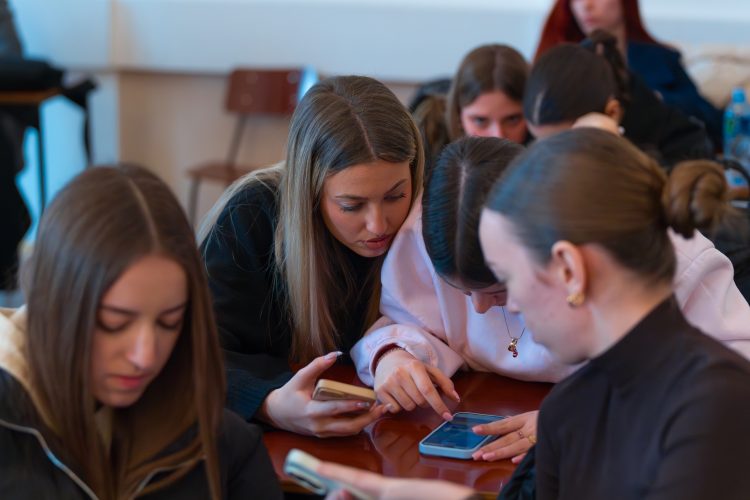
A special segment of the workshop was an online knowledge quiz on European financial flows and the SEPA system, in which the students showed great interest, and the most successful participants were awarded.